市民農園から平和を考える
私は市民農園の一区画を借りて畑を耕している。市民農園では、各自が自分の小さな区画と向き合い、雑草を取り除きながら野菜の成長を見守る。自分の区画を丁寧に手入れすること自体に喜びを感じ、隣の区画の出来栄えを競うような気持ちはあまり起こらない。野菜の種が芽を出し、実を結ぶまでの過程を見ていると、人は自然の恵みによって生かされている存在だと実感する。たとえ、小さな区画であっても、そこにはそれぞれの営みと喜びがある。
I rent a plot at a community garden and tend to my garden there. At the community garden, everyone tends to their own small plot, pulling weeds and watching their vegetables grow. I find joy in the act of carefully tending my own plot, and I rarely feel the urge to compete with my neighbors over whose garden looks better. Watching the process from when vegetable seeds sprout until they bear fruit, I truly feel that we are beings sustained by the bounty of nature. Even in a small plot, there is a unique sense of purpose and joy.
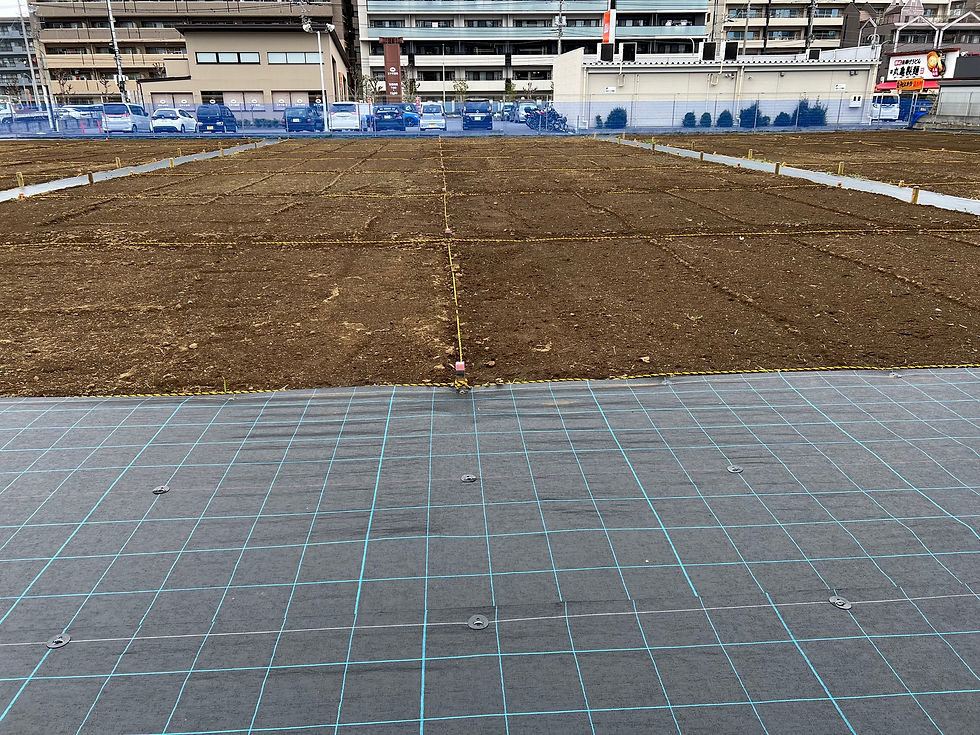


市民農園には年齢も職業も異なる人々が集まるが、互いの区画を尊重しながら共存している。これは、いわゆるダイバーシティ(多様性)とインクルージョン(包摂性)の考え方にも通じる。区画の境界は、対立の象徴ではなく、お互いが安心して耕作するための約束事に過ぎない。国境も本来は同じ意味を持つものではないだろうか。小さな畑の風景を眺めながら、世界もまた、互いの営みを尊重し合う平和な場所であってほしいと願っている。
People of different ages and professions gather at the community garden, coexisting while respecting each other’s plots. This resonates with the concepts of diversity and inclusion. The boundaries between plots are not symbols of conflict, but simply agreements that allow everyone to farm with peace of mind. Shouldn’t national borders, too, hold the same meaning? As I gaze upon the scenery of these small plots, I find myself hoping that the world, too, might become a peaceful place where we respect one another’s way of life.


コメント